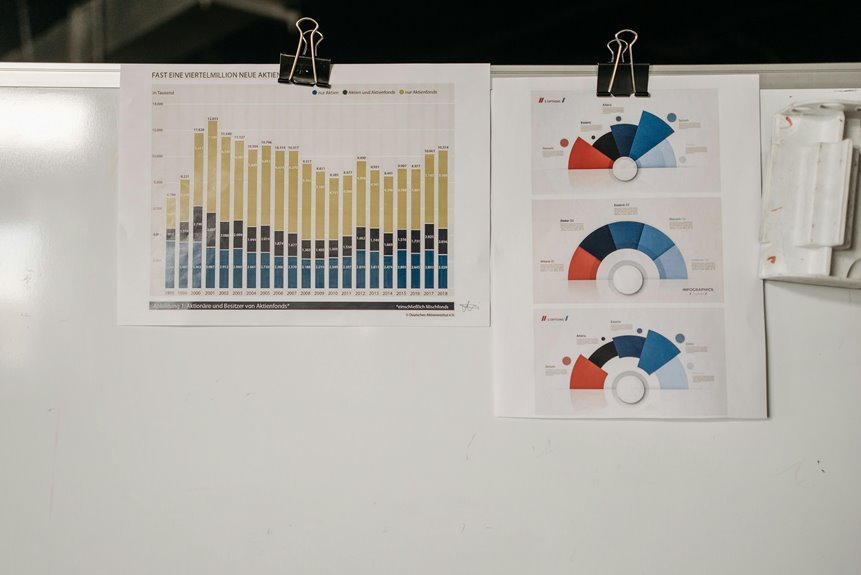
The Commercial Workflow Insight Report for identifiers 2897252285, 39771000, 4062526371, 645820804, 120997189, and 1617132793 presents a detailed analysis of operational efficiencies within various workflows. It highlights critical performance metrics, including cycle times and throughput, and identifies underlying bottlenecks that may hinder productivity. The report’s findings prompt an exploration of strategic improvements, particularly regarding automation and process mapping. Such insights could significantly impact overall organizational effectiveness. What specific strategies will emerge from this analysis?
Overview of Identifiers and Their Significance
Identifiers play a crucial role in the organization and management of commercial workflows, serving as the foundational elements that facilitate tracking, categorization, and analysis of various processes.
The identifier significance lies in its ability to enhance workflow relevance, ensuring streamlined operations and effective data interpretation.
Analyzing Workflow Efficiencies
How can organizations effectively gauge the efficiency of their workflows? By implementing workflow automation and utilizing efficiency metrics, they can systematically assess performance.
Key performance indicators, such as cycle time and throughput, serve as benchmarks for measuring success. Moreover, regular analysis of these metrics enables continuous improvement, fostering an environment where processes can be streamlined and optimized, thus enhancing overall operational productivity.
Identifying Bottlenecks and Challenges
What factors contribute to the emergence of bottlenecks within organizational workflows?
Bottleneck analysis reveals inefficiencies often stemming from inadequate resource allocation, poor communication, and outdated processes.
Challenge identification requires a meticulous examination of workflow stages, pinpointing where delays occur.
Best Practices for Optimizing Commercial Workflows
Effective optimization of commercial workflows is crucial for enhancing overall operational efficiency and productivity.
Implementing workflow automation streamlines repetitive tasks, allowing teams to focus on higher-value activities.
Additionally, process mapping identifies inefficiencies and clarifies roles, facilitating smoother interactions among stakeholders.
Adopting these best practices fosters a dynamic environment where creativity and autonomy flourish, ultimately driving organizational success and innovation.
Conclusion
In conclusion, the Commercial Workflow Insight Report underscores the critical need for organizations to assess and refine their operational processes. By addressing identified bottlenecks and embracing best practices such as automation and process mapping, businesses can significantly enhance productivity. Ultimately, the question remains: how can organizations leverage these insights to foster a culture of continuous improvement and innovation? By prioritizing feedback and training, they can position themselves for sustained success in an increasingly competitive landscape.