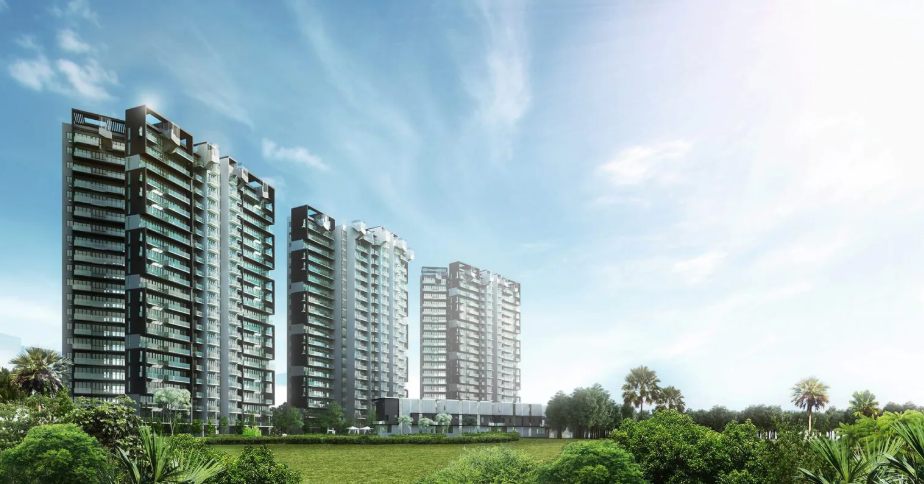
Prioritizing Location and Regional Growth
Investing in private residential property in Singapore remains a highly sought-after path for wealth accumulation. However, purchasing a private home requires careful evaluation of market trends, financial regulations, and specific project locations. Selecting a premium development like Thomson Reserve can offer excellent long-term capital appreciation, but buyers must still analyze several critical variables before signing the option to purchase. From understanding government cooling measures to evaluating future urban transformations, every decision impacts your potential return on investment. This guide outlines the essential factors that will help you make an informed decision when purchasing your next Singapore condominium, ensuring your capital remains secure while generating sustainable yields.
Prioritizing Location and Regional Growth
Location dictates both your daily lifestyle and the future resale value of your property. When evaluating prospective neighborhoods, look beyond established prime districts and focus on areas slated for government-backed development. For instance, suburban regions undergoing massive transit-oriented transformations often yield the highest capital gains. The master-planned residential enclave around Lentor Garden serves as an excellent example of how new infrastructure drives housing demand. Buyers should prioritize proximity to Mass Transit stations, preferably those on major lines like the Thomson-East Coast Line, which connect residents directly to the Central Business District.
Proximity to Amenities and Schools
Beyond transport links, access to reputable schools, shopping malls, and daily necessities determines the tenant pool you can attract. Properties situated near elite primary schools often retain their value better during economic downturns due to constant demand from families. Additionally, check for nearby green spaces and healthcare facilities, as modern buyers heavily prioritize wellness and convenience. Analyzing these localized amenities ensures your investment appeals to a broad demographic, securing steady rental income and minimizing vacancy periods over your investment horizon. A well-located property reduces daily commute times and enhances overall quality of life.
Assessing Developer Track Record and Project Quality
The credentials of the real estate developer play a major role in safeguarding your investment. Established developers with proven track records consistently deliver high-quality finishes, functional layouts, and reliable post-handover maintenance. When researching projects like Thomson Reserve, look into the developer’s past completions to assess their construction quality and history of timely delivery. A poorly constructed building leads to high maintenance costs, which directly eat into your net rental yields and diminish resale value.
Understanding Project Density and Layouts
Consider the total number of units within the development. Mega-developments often feature extensive communal facilities and lower maintenance fees, but they also mean stiffer competition when you eventually decide to sell or lease your unit. Conversely, boutique developments offer exclusive living environments but may carry higher monthly maintenance costs. Examine the floor plans carefully, looking for efficient layouts that maximize usable space without wasting square footage on oversized balconies or excessive corridor space. Selecting a unit with high-quality fixtures and a functional layout ensures long-term tenant retention and easier exit strategies when you decide to liquidate your asset.
Understanding Financial Regulations and Hidden Costs
Singapore’s property market is heavily regulated to prevent speculative bubbles, making it crucial to understand current cooling measures. Buyers must calculate the Additional Buyer’s Stamp Duty (ABSD), which varies significantly based on your residency status and the number of residential properties you already own. Additionally, the Total Debt Servicing Ratio (TDSR) framework limits your monthly loan repayments to a percentage of your gross income, directly affecting your borrowing capacity.
Factoring in Ongoing Ownership Expenses
Many first-time investors focus solely on the purchase price and down payment, neglecting the recurring expenses that accompany condominium ownership. When planning your budget, ensure you account for the following ongoing costs:
● Monthly Maintenance Fees: These funds support estate upkeep and can range from three hundred to over one thousand dollars.
● Property Taxes: Calculated based on the Annual Value of your property, with higher rates for non-owner-occupied units.
● Sinking Funds and Insurance: Crucial for long-term building repairs and protecting your asset against unforeseen damage.
Maintain a liquid cash reserve equivalent to at least twelve months of mortgage payments. This financial cushion prevents forced liquidations during market corrections and allows you to hold the asset until market conditions improve.
Analyzing Future Master Plans and Exit Strategies
Successful property investment requires a forward-looking perspective aligned with the Urban Redevelopment Authority (URA) Master Plan. This master plan outlines the government’s development strategies for the next ten to fifteen years, highlighting future commercial hubs, transport lines, and green corridors. Investing in areas surrounding Lentor Garden allows you to benefit from early-mover advantages before regional infrastructure is fully realized. Similarly, premium developments like Thomson Reserve benefit from their proximity to nature reserves and established transport networks, ensuring sustained demand.
Defining Your Investment Horizon
You must establish a clear exit strategy before committing to a purchase. Are you looking for immediate rental yield, or is your primary goal long-term capital appreciation? If you plan to sell the property within three years, remember that the Seller’s Stamp Duty (SSD) will apply, eating into your profit margins. Aligning your investment horizon with regional growth timelines ensures you sell at the peak of the development cycle. Keep a close eye on transaction volume and historical price trends in the surrounding neighborhood to identify the optimal window for exiting the market.
Evaluating Rental Yields and Tenant Demographics
Understanding the local tenant profile is essential for securing high rental yields. Different areas attract distinct renter demographics, and your unit selection should reflect these preferences. For instance, districts close to international schools attract expatriate families who require larger three- or four-bedroom units. Meanwhile, suburban areas near business parks, such as those near Lentor Garden, attract professional tenants who prefer efficient one- or two-bedroom layouts with quick commutes to work.
Calculating Gross versus Net Yields
Do not rely solely on gross rental yield figures provided by marketing agencies. Calculate the net rental yield by subtracting property taxes, maintenance fees, agent commissions, and repair costs from your annual rental income. A property with a high gross yield might actually deliver lower net returns if the maintenance fees are exceptionally high. Compare these net yields against alternative investment vehicles, such as fixed deposits or real estate investment trusts, to ensure that the physical property investment justifies the effort and capital concentration required. Additionally, researching the historical occupancy rates of neighboring developments helps you estimate realistic vacancy periods and set competitive rental rates that attract stable, long-term tenants.
Conclusion
Investing in a Singapore condominium remains an excellent vehicle for wealth preservation and growth, provided you conduct thorough due diligence. By carefully analyzing location potential, developer credentials, financial regulations, and future urban planning, you position yourself to make a highly profitable investment. Whether you choose a premium development in an established area or a growth-focused project in a transforming suburb, aligning your purchase with your long-term financial goals is key. Avoid rushing into decisions based on marketing hype; instead, rely on hard data, historical transaction trends, and realistic yield calculations to secure your financial future in Singapore’s competitive real estate market.