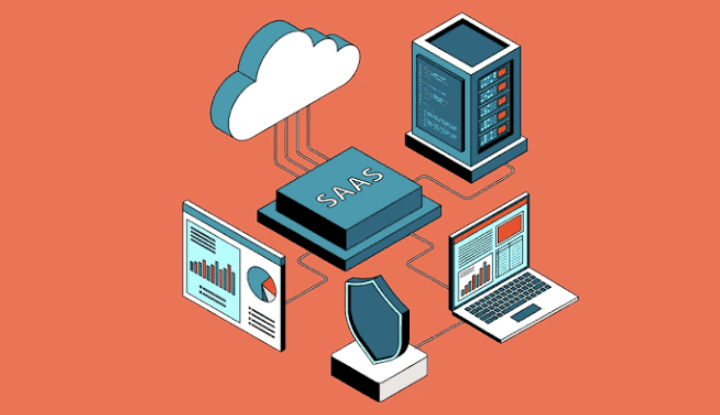
In today’s competitive software market, building a great product is only part of the equation. Long-term success depends on how effectively businesses help customers adopt, use, and gain value from their software. A modern SaaS product success platform enables organizations to manage the entire customer journey, from onboarding and adoption to retention and expansion, while using data-driven insights to improve user experiences.
As customer expectations continue to evolve, SaaS companies are investing in platforms that combine analytics, automation, customer engagement, and success management into a single ecosystem. These solutions help businesses strengthen customer relationships, reduce churn, and maximize recurring revenue.
What Is a Modern SaaS Product Success Platform?
A modern SaaS product success platform is a centralized solution that helps software companies monitor customer health, improve product adoption, and deliver proactive support throughout the customer lifecycle. Rather than focusing solely on customer service, these platforms provide actionable insights that enable teams to anticipate user needs and resolve issues before they become problems.
By bringing together customer data, usage analytics, communication tools, and workflow automation, organizations can create personalized experiences that encourage long-term engagement and loyalty.
Why Product Success Matters
Customer acquisition is important, but retaining existing customers is often more cost-effective than constantly finding new ones. Successful SaaS businesses understand that helping customers achieve their desired outcomes leads to stronger relationships and sustainable growth.
A product success platform helps organizations:
- Improve customer onboarding
- Increase product adoption
- Reduce customer churn
- Strengthen user engagement
- Identify expansion opportunities
- Improve customer satisfaction
- Support recurring revenue growth
When customers consistently experience value from a product, they are more likely to renew subscriptions, upgrade plans, and recommend the software to others.
Key Features of a Product Success Platform
Modern platforms offer a variety of tools designed to support customer success teams, product managers, and business leaders.
Common features include:
- Customer health scoring
- Product usage analytics
- Automated onboarding workflows
- In-app messaging
- Customer segmentation
- Task automation
- Renewal tracking
- Feedback collection
- Reporting dashboards
- Goal and milestone tracking
Together, these capabilities help organizations better understand customer behavior and respond proactively.
Streamlining Customer Onboarding
The onboarding process plays a major role in determining whether new users continue using a SaaS product.
A product success platform helps simplify onboarding by providing:
- Guided product tours
- Interactive walkthroughs
- Automated welcome emails
- Knowledge base integration
- Personalized onboarding checklists
These resources help new users become comfortable with the platform more quickly, increasing the likelihood of long-term adoption.
Using Data to Improve Customer Success
One of the greatest strengths of a modern SaaS product success platform is its ability to transform customer data into actionable insights.
Teams can monitor metrics such as:
- Login frequency
- Feature adoption
- Session duration
- Customer engagement
- Support requests
- Renewal likelihood
- Product satisfaction
Analyzing these metrics helps identify customers who may need additional support or those who are ready for advanced features or premium plans.
Automation Increases Efficiency
As SaaS businesses grow, manually managing every customer interaction becomes increasingly difficult.
Automation helps customer success teams save time by handling repetitive tasks such as:
- Sending onboarding emails
- Scheduling follow-ups
- Creating renewal reminders
- Triggering engagement campaigns
- Assigning customer health alerts
This allows team members to focus on building meaningful customer relationships instead of routine administrative work.
Supporting Cross-Functional Collaboration
Customer success is not the responsibility of a single department. It requires collaboration between product, sales, marketing, support, and leadership teams.
A centralized platform helps everyone work with the same customer information, making it easier to:
- Share customer insights
- Coordinate outreach efforts
- Prioritize feature requests
- Resolve issues faster
- Track customer goals
Improved collaboration leads to a more consistent and personalized customer experience.
Identifying Opportunities for Growth
Beyond retention, product success platforms help businesses identify opportunities to expand customer relationships.
By analyzing usage patterns and customer needs, organizations can discover opportunities for:
- Subscription upgrades
- Additional product modules
- Premium features
- Professional services
- Training programs
These insights enable sales and customer success teams to recommend solutions that genuinely benefit customers while increasing revenue.
Choosing the Right Platform
Not every organization has the same requirements, so selecting the right product success platform is an important decision.
Consider factors such as:
- Ease of implementation
- User-friendly interface
- Integration capabilities
- Analytics and reporting
- Automation features
- Scalability
- Security standards
- Customer support
Choosing a platform that aligns with your business goals ensures better adoption across internal teams.
See also: Challenges Faced by Tech Startups
Best Practices for Success
To maximize the value of a product success platform, organizations should follow several best practices.
These include:
- Define clear customer success goals.
- Monitor customer health regularly.
- Act on customer feedback promptly.
- Personalize communication whenever possible.
- Review performance metrics consistently.
- Continuously optimize onboarding experiences.
- Encourage collaboration across departments.
- Invest in ongoing employee training.
Consistent improvement helps ensure customers continue to receive value as their needs evolve.
The Future of SaaS Product Success
As artificial intelligence and predictive analytics become more advanced, product success platforms are evolving beyond reactive customer support. Modern solutions increasingly use machine learning to identify behavior patterns, predict churn risks, recommend personalized engagement strategies, and surface insights that help teams make faster decisions.
Organizations that embrace these technologies are better positioned to deliver proactive customer experiences while improving operational efficiency and long-term customer satisfaction.
Final Thoughts
A modern SaaS product success platform is more than a customer management tool. It is a strategic solution that helps software companies build stronger relationships, improve product adoption, and create lasting value for their customers. By combining analytics, automation, collaboration, and customer engagement into a single platform, businesses can reduce churn, increase retention, and support sustainable growth.
Whether you’re a startup launching your first SaaS product or an established enterprise managing thousands of customers, investing in a modern product success platform can help you deliver exceptional user experiences while strengthening your competitive advantage in an increasingly customer-focused market.