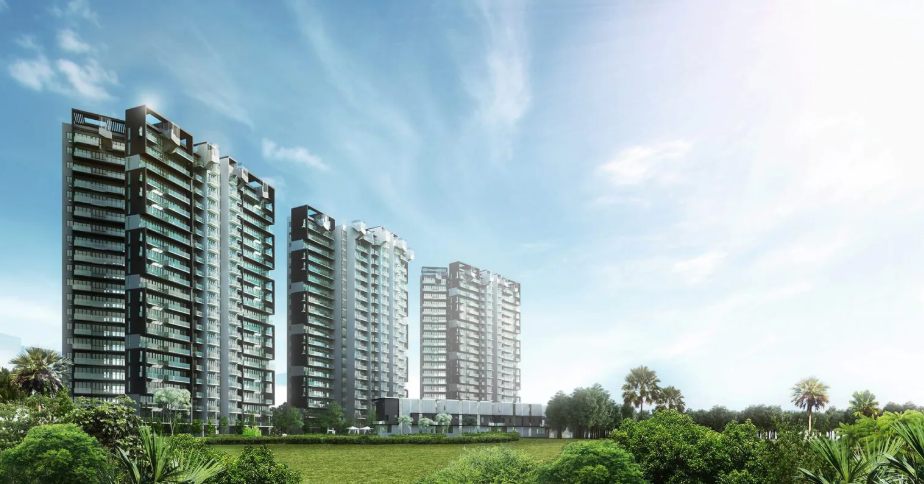
As we approach 2026, understanding the dynamics of the Colorado housing market is crucial for buyers, sellers, and investors. Known for its vibrant economy and breathtaking landscapes, Colorado attracts many seeking both residential and investment opportunities. Let’s dive into key trends and predictions for the Colorado housing market.
Colorado Housing Market Overview
Colorado’s housing market remains one of the most desirable in the western U.S., thanks to its strong economy and attractive outdoor lifestyle. This ongoing appeal has kept competition high, with inventory struggles and affordability challenges persisting into late 2025. In popular areas like Denver, Boulder, and Colorado Springs, the demand for homes continues to outpace supply, maintaining upward pressure on prices.
Colorado Housing Market Trends
Pricing and Inventory
Despite minor improvements in inventory, Colorado continues to face a supply shortage. Housing prices are high, influenced by increasing demand and limited new construction. As reported in late 2025, the median sale price was noted at $625,200, reflecting a slight decrease from the previous year but still highlighting the market’s premium nature.
Days on Market and Sales Volume
Homes in Colorado typically spend around 56 days on the market, indicating a competitive environment favoring sellers. However, there has been a slight softening, providing potential buyers with more negotiation power. In October 2025, there were 6,547 home sales, a manageable dip from the previous year, reflecting seasonal sales patterns.
Economic Influences
Mortgage rates in Colorado have stabilized in the mid-5% range, offering some reprieve to prospective buyers but still hindering inventory as existing homeowners hold onto their favorable rates. Inflation and heightened insurance costs, driven by environmental risks like wildfires and hailstorms, continue to burden overall affordability, making it challenging for many first-time buyers.
Hottest Local Markets in Colorado
Denver and Colorado Springs
Denver’s housing landscape saw cooling in 2025, with increasing inventory providing relief for buyers. Meanwhile, the Colorado Springs housing market remains competitive, with homes frequently selling above the asking price. These areas exemplify the state’s challenging balance between high demand and limited availability.
Grand Junction and Greeley
Grand Junction has emerged as a promising locale, attracting newcomers due to its scenic allure and relative affordability compared to metro areas. Greeley continues to be a dynamic market, offering growing opportunities for both buyers and sellers, supported by increased listings and competitive pricing.
Colorado Housing Market Predictions 2026
Looking ahead, the Colorado housing market is expected to gradually stabilize in 2026. While a full shift to a buyer’s market seems unlikely, improvements in affordability and availability are anticipated. Predictions suggest slower price growth and potentially eased interest rates, offering buyers more options and slightly reduced competition.
See also: Blockchain Use Cases in Business
Economic Factors Impacting the Colorado Housing Market
Several economic factors shape the housing landscape:
- Mortgage rates: Stabilized but still impacting supply as homeowners retain advantageous rates.
- Inflation: Continues to raise living costs, directly affecting housing affordability.
- Insurance costs: Rising due to environmental risks, putting extra pressure on homeowners.
Colorado Springs Housing Market Specifics
The Colorado Springs housing market remains robust, with a median listing price of $470,000. Homes here are competitively sought after, often fetching prices beyond the listing, demonstrating the ongoing demand in this attractive region.
Conclusion
The Colorado housing market is gradually moving towards balance as we enter 2026, with trends showing potential for improved affordability and increased inventory. Buyers should watch for shifts in home prices, interest rates, and environmental impacts to make informed real estate decisions. Whether considering urban life in Denver or the natural beauty of areas like Grand Junction, understanding these dynamics is key to navigating Colorado’s evolving housing landscape.