Alright, let’s dive into something that’s quietly transforming how we keep our roads and skies safe: vehicle inspection technology. It’s not just about ensuring your car isn’t belching smoke or falling apart anymore. It’s about using cutting-edge tech to make sure everything from cargo trucks to passenger cars are in top-notch shape. And guess what? The Netherlands is leading the charge in this revolution, largely thanks to the advancements made by Instech Netherlands.
The role of ai and machine learning
Artificial Intelligence (AI) and machine learning are no longer just buzzwords thrown around in tech circles. They’re actually making a huge impact on vehicle inspections. Think about it: traditional inspections are labor-intensive and prone to human error. Now, with AI, we’re talking about systems that can learn from millions of data points to predict issues before they become problems. It’s like having a mechanic who’s been working on cars for centuries, only faster and more accurate.
These AI systems can analyze everything from engine performance to emission levels in real-time. They use sensors and cameras to capture data, process it instantly, and flag any anomalies. And it’s not just limited to cars. Trucks, buses, even airplanes are benefiting from these advancements. Imagine a world where breakdowns are almost non-existent because potential issues were caught early by an AI system. Sounds like sci-fi, right? But it’s happening now.
Machine learning takes this a step further by adapting and improving over time. As more vehicles are inspected, the system becomes smarter, identifying patterns that even seasoned inspectors might miss. It’s like giving the inspection process a brain that never stops learning. This not only enhances safety but also efficiency, as vehicles spend less time off the road for unnecessary checks.
Enhanced safety through advanced diagnostics
When we talk about safety, it’s often in terms of airbags and seatbelts. But there’s a lot more under the hood—literally. Advanced diagnostics play a crucial role in vehicle safety by providing detailed insights into the health of various components. Modern diagnostic tools can detect even the smallest of issues, from minor electrical problems to potential engine failures.
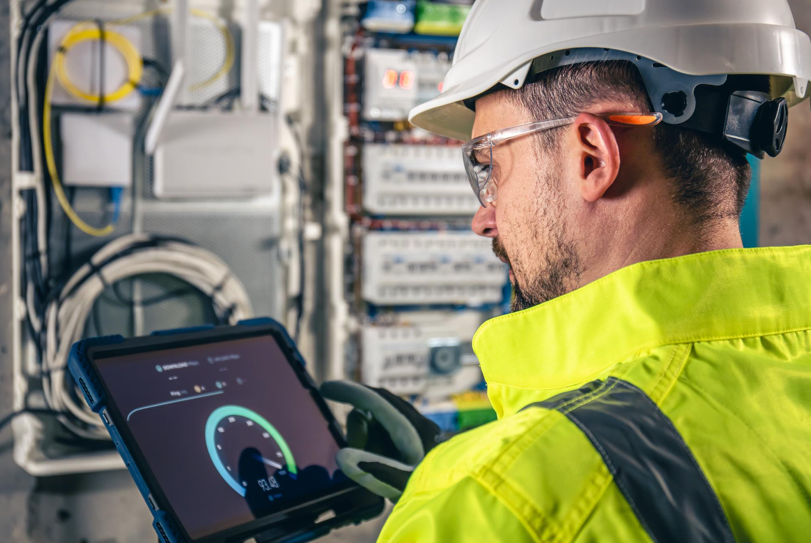
In the Netherlands, these advanced diagnostics are becoming standard practice. For instance, vehicles are now equipped with onboard diagnostic systems that continuously monitor performance. These systems can notify drivers in real-time if something’s amiss. It’s like having a personal doctor for your car, always on the lookout for signs of trouble.
This proactive approach to maintenance not only keeps vehicles running smoothly but also significantly reduces the risk of accidents caused by mechanical failures. Think about it: fewer breakdowns on busy highways mean safer roads for everyone. And it’s not just about preventing accidents; it’s also about ensuring compliance with stringent environmental regulations.
Streamlining the process with automation
Automation is another game-changer in vehicle inspections. Gone are the days of manual checks that take hours to complete. Automated systems can inspect vehicles quickly and accurately, minimizing downtime and getting cars back on the road faster than ever before. It’s all about efficiency without compromising on quality.
In places like seaports and airports, where thousands of vehicles pass through daily, automated inspection systems are invaluable. These systems use high-tech scanners and vehicle inspection equipment to perform comprehensive checks in a fraction of the time it would take a human inspector. And they’re incredibly thorough—able to detect issues that might go unnoticed during a manual inspection.
This streamlining doesn’t just benefit big operations; everyday drivers stand to gain as well. Imagine going in for an inspection and being out within minutes instead of hours. It’s convenience at its finest, powered by technology that ensures every vehicle meets safety and emission standards.
See also: Blockchain Use Cases in Business
Reducing emissions with smarter systems
Environmental concerns are driving many of the advancements in vehicle inspection technology. With stricter regulations aimed at reducing emissions, new systems are being developed to ensure vehicles comply with these standards. These smarter systems can measure emission levels accurately and recommend necessary adjustments or repairs.
The Netherlands has been at the forefront of this movement, implementing policies that require regular emission checks for all vehicles. Advanced sensors and diagnostic tools help ensure that vehicles aren’t just safe but also environmentally friendly. It’s a win-win situation: cleaner air and more efficient vehicles.
Moreover, these technologies don’t just stop at detecting problems; they also provide solutions. For example, if a vehicle’s emission levels are too high, the system can suggest specific maintenance tasks or parts replacements to bring them back within acceptable limits. This proactive approach helps reduce pollution and promotes sustainable practices.
So there you have it—a glimpse into how technology is revolutionizing vehicle inspections in the Netherlands. From AI and advanced diagnostics to automation and emission control, these innovations are making our roads safer and our air cleaner. And this is just the beginning; who knows what other advancements are on the horizon?