The rapid growth of battery manufacturing, especially for electric mobility and energy storage systems, has created a strong demand for highly controlled production environments. One of the most essential components in this ecosystem is the implementation of advanced Battery Dry Rooms. These specialized environments are designed to maintain extremely low humidity levels, ensuring the safety, quality, and performance of battery components.
Moisture is one of the most critical challenges in battery production. Even minimal exposure to humidity can lead to chemical reactions that compromise battery integrity. This makes it essential to maintain ultra-dry conditions throughout the manufacturing process. Battery dry rooms provide the necessary control to prevent moisture contamination and ensure consistent production quality.
These environments are not just about controlling humidity. They are designed to create a stable atmosphere where sensitive materials can be handled without risk. By maintaining precise environmental conditions, manufacturers can improve efficiency, reduce defects, and enhance the overall reliability of their products.
What Challenges Does Moisture Create in Battery Manufacturing
Chemical Instability and Safety Risks
Battery components, particularly those used in lithium-based technologies, are highly sensitive to moisture. When exposed to humidity, certain materials can react chemically, leading to degradation and reduced performance. In some cases, this can also create safety hazards, including the risk of short circuits or thermal instability.
Maintaining a moisture-free environment is essential to prevent these risks. Controlled dry rooms eliminate the presence of water vapor, ensuring that chemical processes remain stable and predictable. This contributes to both product safety and operational reliability.
Impact on Product Quality and Longevity
Moisture contamination can significantly affect the quality and lifespan of batteries. It can lead to defects in electrode materials, reduce energy efficiency, and compromise the structural integrity of the cells. These issues not only impact performance but also result in higher rejection rates during quality checks.
By maintaining ultra-low humidity levels, battery dry rooms help ensure that each component meets strict quality standards. This leads to improved product consistency and longer-lasting batteries that perform reliably over time.
How Battery Dry Rooms Work
Advanced Dehumidification Technology
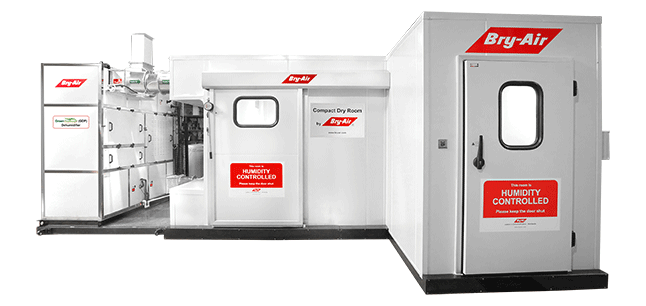
Battery dry rooms rely on advanced dehumidification systems to achieve extremely low dew point levels. These systems use desiccant-based technology to remove moisture from the air effectively. The process involves passing air through moisture-absorbing materials, which capture water vapor and maintain dry conditions.
The technology is designed for continuous operation, ensuring that humidity levels remain stable even in demanding manufacturing environments. This level of precision is essential for handling sensitive battery materials.
Integration with Manufacturing Processes
Dry rooms are not standalone systems. They are integrated into the overall manufacturing workflow to support various stages of production. From material handling to assembly and testing, every step benefits from a controlled environment.
By incorporating specialized Lithium Battery Dry Rooms, manufacturers can ensure that their processes remain consistent and efficient. This integration helps streamline operations and reduce the risk of contamination.
Benefits of Implementing Battery Dry Rooms
Enhanced Safety Standards
Safety is a top priority in battery manufacturing. Dry rooms play a crucial role in minimizing risks associated with moisture exposure. By maintaining controlled conditions, they help prevent chemical reactions that could lead to hazardous situations.
This level of control supports compliance with industry safety standards and ensures that manufacturing processes are conducted in a secure environment.
Improved Production Efficiency
Controlled environments contribute to smoother and more efficient production processes. When humidity levels are stable, materials behave predictably, reducing the likelihood of errors and defects. This leads to higher productivity and better resource utilization.
Efficient operations also reduce downtime caused by equipment issues or quality failures. This helps manufacturers meet production targets and maintain consistent output.
Superior Product Quality
Battery dry rooms ensure that products are manufactured under optimal conditions. This results in higher quality batteries with improved performance and durability. Consistent environmental control minimizes variations, ensuring that each unit meets the required specifications.
High-quality products enhance customer satisfaction and strengthen the reputation of manufacturers in a competitive market.
Applications of Battery Dry Rooms Across Industries
Electric Vehicle Manufacturing
The rise of electric vehicles has significantly increased the demand for reliable battery systems. Dry rooms are essential in the production of these batteries, ensuring that they meet the required safety and performance standards.
Controlled environments support the manufacturing of high-capacity batteries that power modern electric vehicles. This is a key factor in the growth of sustainable transportation.
Energy Storage Systems
Energy storage solutions rely on efficient and durable batteries. Dry rooms help ensure that these batteries are produced under optimal conditions, enhancing their performance and lifespan.
This is particularly important for renewable energy applications, where reliable storage systems are critical for managing energy supply.
Electronics and Advanced Technologies
Battery dry rooms are also used in the production of batteries for electronic devices and advanced technologies. These applications require precise manufacturing conditions to ensure reliability and performance.
Controlled environments support the development of high-quality batteries that power a wide range of modern devices.
Key Considerations When Designing a Battery Dry Room
Dew Point Requirements
One of the most important factors in designing a dry room is achieving the required dew point. Ultra-low humidity levels are necessary to prevent moisture-related issues. The system must be capable of maintaining these conditions consistently.
Proper design ensures that the environment remains stable and meets the specific needs of the manufacturing process.
Energy Efficiency and Sustainability
Battery dry rooms require significant energy to maintain low humidity levels. Energy-efficient systems help reduce operational costs while minimizing environmental impact. Advanced technologies are designed to deliver high performance with optimized energy consumption.
Sustainable solutions are becoming increasingly important as industries focus on reducing their carbon footprint.
Scalability and Flexibility
As production demands grow, manufacturers need systems that can scale accordingly. Flexible dry room designs allow for expansion and adaptation to changing requirements.
This ensures that the system remains effective as production volumes increase and new technologies are introduced.
Conclusion
Battery dry rooms are a fundamental component of modern battery manufacturing, providing the controlled environments necessary for safe, efficient, and high-quality production. By maintaining ultra-low humidity levels, these systems help prevent moisture-related issues, enhance product reliability, and support consistent manufacturing processes.
From electric vehicles to energy storage systems, the importance of dry rooms continues to grow as demand for advanced battery technologies increases. Their role in ensuring safety, efficiency, and quality makes them an essential investment for manufacturers aiming to stay competitive in a rapidly evolving industry.
For organizations looking to implement or upgrade their dry room systems, expert guidance is essential. To explore tailored solutions and receive professional support, visit the Contact Us page and connect with specialists who can help you design the right system for your manufacturing needs.