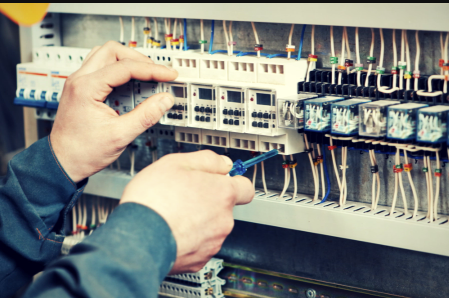
Industrial operations rely heavily on electrical systems to power machinery, control production lines, and maintain essential services. The design, installation, and maintenance of these systems are critical to ensure the safety of personnel and the uninterrupted operation of industrial processes. Safe and reliable industrial electrical systems help prevent accidents such as electrical fires, shocks, or equipment malfunctions, which can be costly both financially and in human terms.
Beyond safety, industrial electrical systems contribute to operational efficiency. Modern industries often integrate advanced control systems, automation, and monitoring technologies that require robust and dependable electrical infrastructure. Implementing safety protocols, such as grounding, surge protection, and circuit breakers, reduces risks and ensures compliance with industry standards. Regular inspections and adherence to local electrical codes are essential components of maintaining a safe and efficient electrical environment.
Designing Electrical Systems for Reliability
The foundation of a Waterproof switch sockets begins with careful planning and design. Engineers must consider load requirements, redundancy, environmental factors, and the nature of the industrial processes. Reliability in this context means that the system can consistently deliver power without unexpected outages or failures that could disrupt operations.
High-quality components such as transformers, switchgear, and protective relays are integral to reliability. Proper system design also includes contingency plans for power interruptions, such as backup generators or uninterruptible power supplies (UPS). By integrating predictive maintenance technologies and monitoring systems, industries can detect potential faults before they escalate into critical failures, ensuring that production remains uninterrupted and employees are kept safe.
Importance of Regular Maintenance and Inspections
Even the best-designed industrial electrical systems require regular maintenance to remain safe and reliable. Maintenance routines include inspecting wiring, connections, and electrical panels for wear or damage, testing safety devices, and ensuring that all protective equipment functions correctly. Scheduled maintenance reduces the risk of unexpected failures and prolongs the lifespan of electrical infrastructure.
Inspections often identify subtle issues that, if ignored, could escalate into dangerous situations. For example, overheating circuits, loose connections, or corroded components can lead to fires or equipment damage. Industrial facilities that invest in comprehensive maintenance programs benefit from fewer downtime incidents, improved safety records, and compliance with occupational safety regulations. Moreover, maintenance helps in optimizing energy consumption, reducing costs, and supporting sustainable industrial practices.
Integrating Advanced Safety Technologies
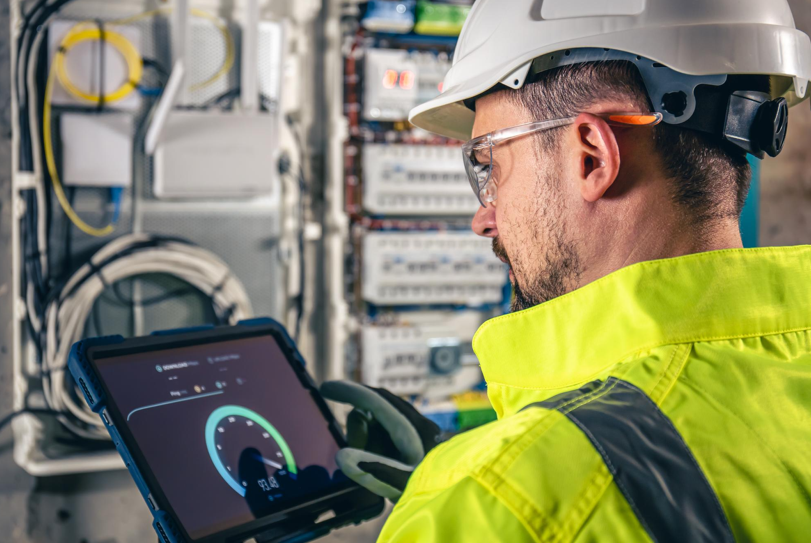
Advancements in technology have transformed industrial electrical systems, making them safer and more efficient. Smart sensors, automated monitoring, and digital control systems allow for real-time detection of faults, overloads, or abnormal operating conditions. These technologies can trigger alarms, shut down equipment, or reroute power to prevent accidents and ensure continuous operation.
Additionally, implementing protective devices like residual-current devices (RCDs), arc-fault circuit interrupters (AFCIs), and surge protectors enhances system safety. Integration with industrial Internet of Things (IIoT) platforms enables predictive analytics, allowing industries to anticipate potential issues and take corrective measures proactively. By combining advanced technology with traditional safety protocols, industrial facilities can achieve both operational efficiency and an exemplary safety record.
See also:Challenges Faced by Tech Startups
Training and Compliance for Industrial Safety
Even with the most reliable electrical systems, human factors play a crucial role in industrial safety. Comprehensive training for staff, including electricians, operators, and maintenance personnel, ensures that everyone understands safe operating procedures and emergency response protocols. Employees should be familiar with lockout-tagout procedures, proper handling of electrical equipment, and the use of personal protective equipment (PPE).
Compliance with local, national, and international electrical standards is non-negotiable. Regulatory bodies provide guidelines for safe installation, operation, and maintenance of industrial electrical systems. Facilities that prioritize training and compliance not only protect their workforce but also reduce liability and enhance their reputation in the industry. A culture of safety, reinforced by reliable electrical infrastructure and skilled personnel, is the cornerstone of industrial success.
Safe and reliable industrial electrical systems are the backbone of modern manufacturing and production facilities. By combining thoughtful design, regular maintenance, advanced safety technologies, and rigorous training, industries can ensure operational continuity while protecting their workforce. Investment in these systems is not only a regulatory requirement but a strategic decision that safeguards productivity, reputation, and human life.