Mechanical testing has always played a critical role in ensuring the safety, durability, and performance of materials and manufactured products. From aerospace and automotive industries to construction and healthcare, companies rely on mechanical testing to evaluate strength, flexibility, hardness, fatigue resistance, and overall structural integrity. However, the rapid advancement of artificial intelligence (AI) is transforming the future of mechanical testing in ways that were unimaginable just a decade ago.
Today, manufacturers are moving toward smarter, faster, and more automated systems. AI-powered technologies are helping industries improve testing accuracy, reduce operational costs, minimize human error, and predict failures before they happen. As Industry 4.0 continues to evolve, the integration of AI with mechanical testing equipment is becoming a major competitive advantage for businesses worldwide.
In this article, we will explore the future trends in AI-powered mechanical testing, how intelligent systems are changing traditional testing methods, and what industries can expect in the coming years.
The Growing Role of Artificial Intelligence in Mechanical Testing
Artificial intelligence is revolutionizing mechanical testing by introducing automation, predictive analytics, and real-time decision-making capabilities. Traditional mechanical testing methods often require manual data analysis, repeated calibration, and significant human supervision. While these methods remain effective, they can be time-consuming and prone to inconsistencies. AI eliminates many of these challenges by processing massive amounts of testing data with remarkable speed and precision.
Modern AI-driven mechanical testing systems use machine learning algorithms to identify patterns, detect anomalies, and optimize testing procedures. For example, AI can analyze stress-strain curves and identify microscopic material defects that human inspectors might overlook. This significantly improves the reliability and consistency of mechanical testing results.
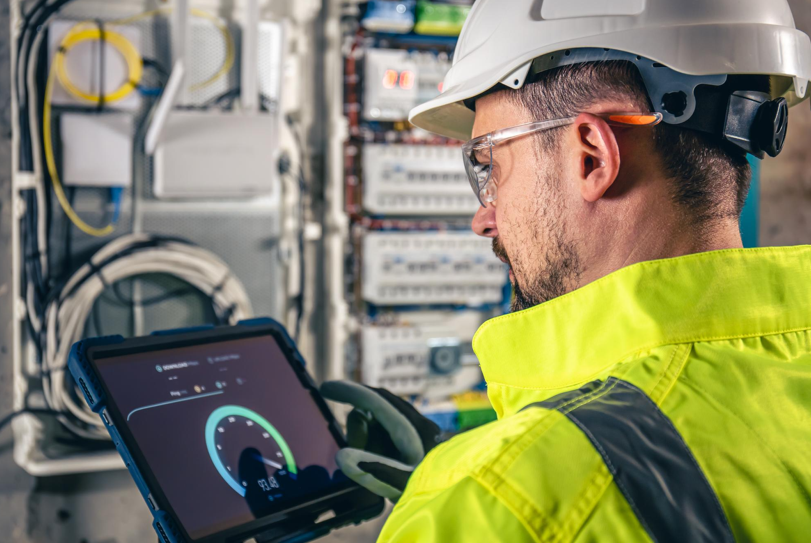
Another major trend is the use of intelligent sensors integrated with testing machines. These sensors continuously monitor variables such as pressure, temperature, vibration, and load conditions during mechanical testing procedures. AI systems then interpret this real-time data and make immediate adjustments to testing parameters. As a result, industries can achieve more accurate and repeatable outcomes while reducing equipment wear and downtime.
Cloud computing is also enhancing AI-powered mechanical testing systems. Testing data can now be stored, shared, and analyzed remotely, allowing engineers and researchers from different locations to collaborate efficiently. AI algorithms can compare current results with historical data to predict material behavior and future failures. This predictive capability is especially valuable in industries where safety is critical, such as aviation, shipbuilding, and medical device manufacturing.
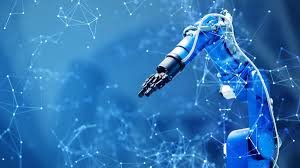
Furthermore, AI-driven automation is helping companies reduce labor costs and accelerate production timelines. Automated robotic systems can perform repetitive mechanical testing tasks with minimal human intervention. These intelligent systems not only improve productivity but also ensure standardized testing across multiple production facilities.
As industries continue adopting digital transformation strategies, AI will become deeply embedded in every stage of mechanical testing, from sample preparation to final analysis and reporting.
Predictive Maintenance and Smart Failure Analysis in Mechanical Testing
One of the most important future trends in AI-powered mechanical testing is predictive maintenance. Traditional maintenance strategies usually rely on scheduled inspections or reactive repairs after equipment failure occurs. However, AI-based predictive systems can analyze testing machine performance in real time and identify early signs of wear, fatigue, or malfunction before serious issues develop.
Predictive maintenance uses advanced machine learning models combined with data from sensors installed on mechanical testing equipment. These AI systems continuously monitor machine conditions, including vibration levels, temperature fluctuations, load variations, and operational efficiency. When abnormalities are detected, the system automatically alerts operators, enabling preventive maintenance actions to be taken immediately.
This trend is transforming industrial operations because unplanned downtime can be extremely expensive. In sectors like aerospace manufacturing or automotive production, even a small interruption in mechanical testing processes can delay entire production schedules. AI-driven predictive maintenance reduces these risks and improves overall operational efficiency.
Smart failure analysis is another major advancement shaping the future of mechanical testing. AI algorithms can evaluate failed components and determine the exact causes of material breakdown. Instead of relying solely on manual inspection methods, engineers can now use AI-powered image recognition and deep learning technologies to examine fractures, cracks, corrosion, and surface defects with incredible precision.
For example, computer vision systems integrated into mechanical testing equipment can capture high-resolution images during stress or fatigue testing. AI software then analyzes these images in real time and identifies structural weaknesses that may lead to future failures. This allows manufacturers to improve material selection, optimize product designs, and enhance quality control processes.
Digital twin technology is also becoming increasingly important in AI-powered mechanical testing environments. A digital twin is a virtual replica of a physical object or testing system. AI uses real-time data from mechanical testing procedures to simulate material behavior under different environmental and operational conditions. Engineers can then predict how materials will respond to stress, pressure, temperature changes, or repeated loading cycles without conducting excessive physical tests.
This approach not only saves time and resources but also improves innovation by enabling faster product development cycles. Industries can test multiple design variations virtually before producing physical prototypes. As AI models become more advanced, digital twins will likely become standard tools in modern mechanical testing laboratories.
Read Also: Challenges Faced by Tech Startups
Automation, Robotics, and Real-Time Data Analytics in Mechanical Testing
Automation and robotics are rapidly becoming central components of advanced mechanical testing systems. In the future, AI-powered robotic solutions will perform highly complex testing procedures with minimal human involvement. These intelligent systems will improve testing speed, consistency, and workplace safety across various industries.
Robotic automation in mechanical testing is particularly valuable for repetitive and hazardous tasks. For example, high-temperature material testing, pressure testing, and fatigue testing often involve dangerous conditions for human operators. AI-controlled robotic systems can safely handle these procedures while maintaining exceptional accuracy and reliability.
Another emerging trend is autonomous testing laboratories. These smart laboratories use interconnected AI systems, robotic arms, automated sample handling equipment, and cloud-based analytics platforms to create fully integrated mechanical testing environments. Once a testing process is initiated, the system can independently prepare samples, perform tests, collect data, analyze results, and generate detailed reports without manual intervention.
Real-time data analytics is also transforming the future of mechanical testing. Traditional testing methods often require engineers to review results after the testing process is complete. AI-powered systems, however, can analyze data instantly as the test progresses. This enables immediate decision-making and process optimization.
For instance, during tensile mechanical testing, AI algorithms can detect unusual material behavior early in the test cycle. The system may automatically adjust loading speeds, testing conditions, or measurement parameters to improve result accuracy. This dynamic optimization significantly enhances testing efficiency and reduces material waste.
Big data integration is another critical trend influencing AI-powered mechanical testing. Modern manufacturing facilities generate enormous amounts of operational and testing data every day. AI systems can combine this information with historical performance records, production metrics, and environmental conditions to identify hidden correlations and performance trends.
These insights allow manufacturers to make data-driven decisions regarding material selection, product design, and process improvements. Companies that leverage AI analytics in mechanical testing can achieve higher product quality, reduced failure rates, and stronger competitive advantages in global markets.
Cybersecurity will also become increasingly important as mechanical testing systems become more connected through industrial IoT networks. AI-based security solutions will help protect sensitive testing data, intellectual property, and automated systems from cyber threats. Secure AI infrastructures will be essential for industries handling confidential research, defense technologies, or critical infrastructure components.
Looking ahead, the combination of AI, robotics, IoT, and advanced analytics will continue reshaping mechanical testing into a more intelligent, automated, and predictive discipline.
Benefits of AI-Powered Mechanical Testing
AI-powered mechanical testing offers several advantages for modern industries:
- Improved testing accuracy and consistency
- Faster data analysis and reporting
- Reduced human error
- Lower operational and maintenance costs
- Enhanced predictive maintenance capabilities
- Real-time monitoring and process optimization
- Better product quality and reliability
- Increased workplace safety
- Faster product development cycles
- Reduced material waste and testing downtime
These benefits are driving rapid adoption of AI technologies across manufacturing, aerospace, construction, automotive, energy, and healthcare industries.
Challenges Facing AI Integration in Mechanical Testing
Despite its advantages, AI-powered mechanical testing still faces certain challenges. One major concern is the high initial investment required for advanced AI systems, sensors, robotics, and cloud infrastructure. Small and medium-sized businesses may struggle to implement these technologies due to budget limitations.
Another challenge is data quality. AI algorithms depend heavily on accurate and properly labeled data for effective learning and prediction. Inconsistent or incomplete testing data can reduce system reliability and lead to incorrect conclusions.
Workforce adaptation is also important. Engineers and technicians must develop new digital skills to work with AI-driven mechanical testing systems effectively. Training programs and continuous education will become essential as industries transition toward automation and intelligent manufacturing.
Additionally, regulatory standards for AI-based mechanical testing are still evolving. Industries will need clear guidelines and international standards to ensure reliability, safety, and compliance across automated testing environments.
FAQs About AI-Powered Mechanical Testing
What is AI-powered mechanical testing?
AI-powered mechanical testing refers to the use of artificial intelligence, machine learning, and automation technologies to improve material and product testing processes. These systems analyze testing data, predict failures, optimize procedures, and enhance testing accuracy.
How does AI improve mechanical testing accuracy?
AI improves mechanical testing accuracy by analyzing large datasets, detecting hidden patterns, reducing human error, and making real-time adjustments during testing procedures.
Which industries benefit most from AI-powered mechanical testing?
Industries such as aerospace, automotive, construction, manufacturing, healthcare, shipbuilding, and energy benefit significantly from AI-powered mechanical testing systems.
What is predictive maintenance in mechanical testing?
Predictive maintenance uses AI algorithms and sensor data to identify equipment issues before failures occur. This helps reduce downtime and maintenance costs.
Will AI replace human engineers in mechanical testing?
AI is unlikely to replace engineers completely. Instead, it will support engineers by automating repetitive tasks, improving data analysis, and enhancing decision-making processes.
Conclusion
The future of AI-powered mechanical testing is highly promising and transformative. As industries continue embracing automation, smart manufacturing, and digital technologies, AI will become a core component of modern mechanical testing systems. From predictive maintenance and smart failure analysis to robotics and real-time analytics, AI is redefining how materials and products are tested for quality, safety, and performance.
Companies that adopt AI-driven mechanical testing solutions early will gain substantial advantages in efficiency, reliability, and innovation. Although challenges such as implementation costs and workforce adaptation remain, the long-term benefits far outweigh the obstacles.
In the coming years, AI-powered mechanical testing will not only improve industrial productivity but also drive safer products, smarter manufacturing processes, and more sustainable engineering practices across the global market.